






School is out (or will be soon) for the summer, and children are heading outside to play. Digging holes, climbing trees, flying kites — outdoor play often creates beautiful childhood memories. Before hitting the great outdoors, discuss electrical safety with your children.
Flying fun
While flying kites, model airplanes, remote-control flying toys, and drones, stay in large, open areas (such as parks or fields) far away from power lines. If an item gets caught in a power line, teach children to never try to retrieve it. Instead, an adult should call the electric utility for help.
General outdoor safety tips
Other important safety guidelines for kids and adults alike include the following.
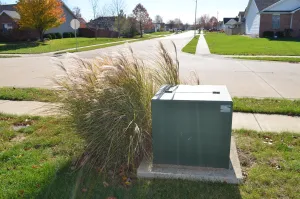
- Do not climb, sit, or play on pad mount transformers (green boxes).
- Never throw objects at power lines.
- Do not climb trees that have overhead power lines near or running through them.
- Stay far away from downed, damaged, or low-hanging power lines. An adult should call 9-1-1 to report a downed or damaged line.
- Be cautious after a severe storm that caused a power outage. Downed power lines could be hidden under water, snow, or storm debris. Wait to go outside until power has been restored.
- Do not touch or urinate on electric fences.
Poolside
When spending time by the pool, look overhead when using pool skimmers or other long objects to be sure you are not getting close to an overhead power line. If you are swimming and feel a prickly or tingling sensation, do not stay in the water. There could be a stray electric current from a downed power line or a damaged electrical device. Also, never play in a flooded street or ditch; a downed power line could be hidden by the water and fallen debris.
Prevention is key
Electric shock and injuries are often preventable. Empower your family with electrical safety knowledge to avoid preventable electric injuries. And for additional electrical safety tips for kids, check out this 2024 article.
For more electrical safety information, visit SafeElectricity.org.
Article and images courtesy of SafeElectricity.org with modifications by Valley Rural Electric Cooperative.